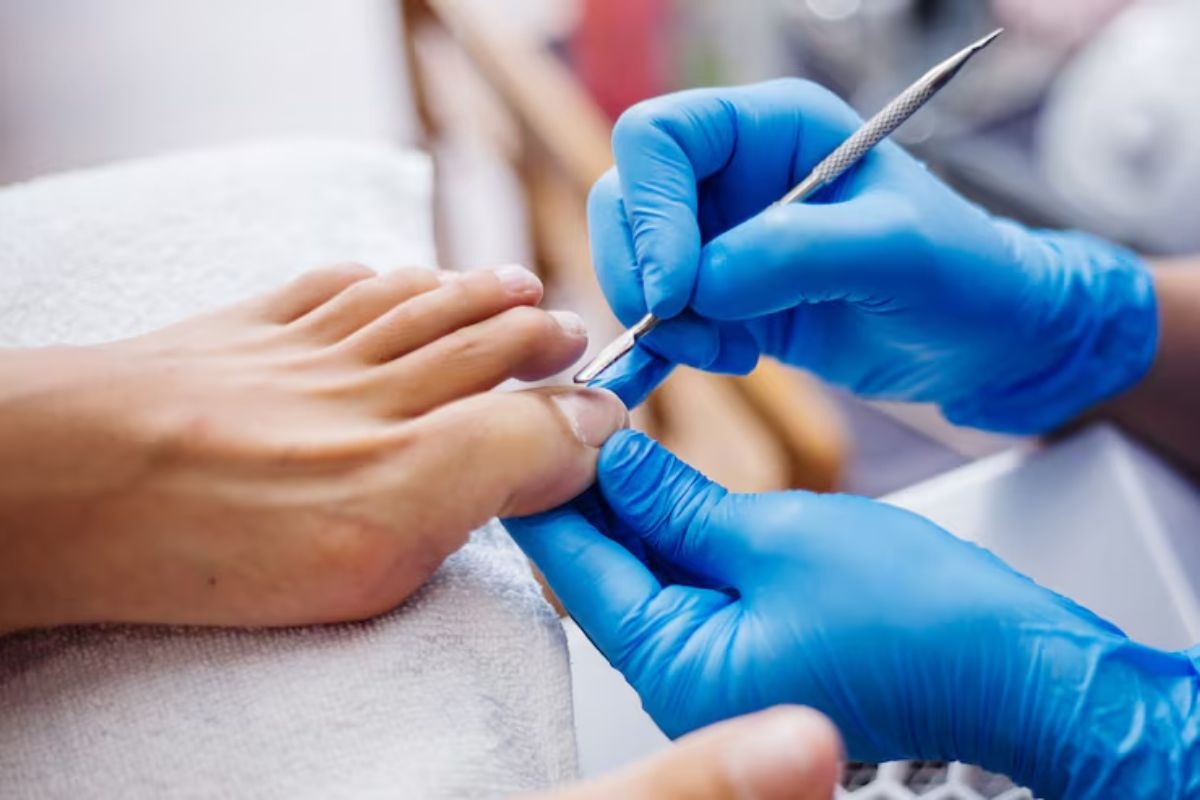

Diabetes can affect the nerves and blood flow in your feet. This may make it hard to feel pain, notice injuries, or heal from cuts. Even a small blister, sore, or crack can become a serious problem if left untreated. Knowing how to take care of your feet when you have diabetes can help prevent infections and other problems. Simple steps, such as checking your feet daily, washing them gently, wearing comfortable shoes, and keeping your blood sugar under control, can help keep your feet healthy. Regular foot checks are also important, even if your feet feel fine and look normal.
Why Is Daily Foot Care Important for People With Diabetes?
Over time, high blood sugar levels can damage nerves and blood vessels. Nerve damage may reduce feeling in the feet, while poor blood flow can slow healing. As a result, an injury may go unnoticed and become worse.
Daily foot care helps to:
- Find cuts, blisters, swelling, or colour changes early.
- Lower the risk of skin infections.
- Reduce pressure and rubbing from shoes.
- Keep the skin clean and prevent dryness or cracks.
- Identify problems before they become more serious.
- Diabetes foot care tips for a Daily Routine
A few minutes of care each day can help protect the feet. Follow these simple habits:
1. Check both feet every day
Look at the tops, soles, heels, and spaces between the toes. Check for cuts, blisters, redness, swelling, cracks, or changes in skin colour. Use a mirror to see the bottom of the feet if needed. If eyesight or movement makes checking difficult, ask someone for help.
2. Wash and dry the feet gently
Wash your feet every day with warm water and mild soap. Avoid hot water because you may not feel if it burns your skin. Dry your feet well, especially between your toes, to help prevent fungal infections.
3. Keep the skin moisturised
Apply a gentle moisturiser to dry areas to help prevent cracking. Avoid applying lotion between the toes, as extra moisture in this area can lead to skin problems. Do not use harsh products or strong chemicals on the feet.
4. Trim toenails safely
Cut toenails straight across and smooth any sharp edges with a nail file. Avoid cutting nails too short or digging into the corners. If nails are thick, hard to reach, or difficult to trim safely, seek help from a foot care professional.
5. Wear clean socks and comfortable shoes
Wear clean, soft socks that are not too tight. Choose shoes that fit well and give your toes enough room. Before wearing them, check inside for small objects or rough areas that could hurt your feet.
What Should Be Avoided During Diabetic Foot Care?
Some common habits can increase the risk of foot injuries. Avoid the following:
- Walking barefoot, even indoors.
- Wearing tight shoes or socks that leave deep marks.
- Using heating pads or hot water bottles on the feet.
- Removing corns or calluses with blades or sharp tools.
- Using over-the-counter corn removers or strong chemical treatments without medical advice.
- Soaking the feet for long periods can dry out or damage the skin.
Never try to cut away thick skin or treat a foot wound at home with sharp tools. A podiatrist in East Mesa can check foot concerns and suggest safe care based on individual needs.
When Should a Foot Problem Be Checked?
A small foot problem can become serious when diabetes affects feeling and healing. Seek medical advice if any of these signs appear:
- A cut, blister, or sore that does not begin to heal.
- Redness, warmth, swelling, or increasing pain.
- Pus, a bad smell, or fluid coming from a wound.
- A new change in skin colour, such as blue, black, or pale areas.
- A sudden change in foot shape or swelling.
A foot wound with spreading redness, pus, fever, or blackened skin needs urgent medical attention. Do not wait for pain to develop, as nerve damage may reduce the ability to feel an injury.
How Can Professional Diabetic Foot Care Help?
Regular foot exams can help identify changes that may not be easy to notice at home. During an exam, a podiatrist may check skin condition, blood flow, feeling, toenails, and areas of pressure. The results help guide the development of a suitable care plan.
Diabetic foot care may include:
- Checking for signs of nerve damage or poor blood flow.
- Treating thick toenails and calluses safely.
- Checking wounds and recommending suitable care.
- Suggesting shoes or special inserts to reduce pressure.
- Guiding daily foot checks and skin care.
People with diabetes should have regular foot exams. The timing depends on their risk level and medical history. A podiatrist near you can help decide how often these visits are needed.
Give Your Feet the Attention They Deserve!
Living with diabetes means paying close attention to even the smallest changes in your feet. A little redness, a crack, or a sore spot should never be overlooked, as early care can help prevent bigger problems. Along with daily foot checks and comfortable footwear, regular professional exams can help identify concerns before they become serious. If you need guidance on diabetic foot care in East Mesa, schedule an appointment with Chambers Foot & Ankle to discuss your foot health and build a care routine that supports your daily needs.
FAQs:
How often should you check your feet if you have diabetes?
Check your feet every day, even if they feel fine. Look for cuts, blisters, swelling, cracks, or changes in skin colour. Also, have your feet checked regularly by a healthcare professional.
Is it safe to walk barefoot at home with diabetes?
No. Walking barefoot can lead to cuts, burns, or injuries that may go unnoticed. Wear comfortable shoes or protective footwear indoors.
Can diabetes cause foot problems without pain?
Yes. Nerve damage can reduce feeling in the feet. This means an injury or sore may develop without causing much pain.
Should dry skin on diabetic feet be moisturised?
Yes. Use a gentle moisturiser on dry areas to help prevent cracks. Avoid applying it between the toes because trapped moisture can cause skin problems.