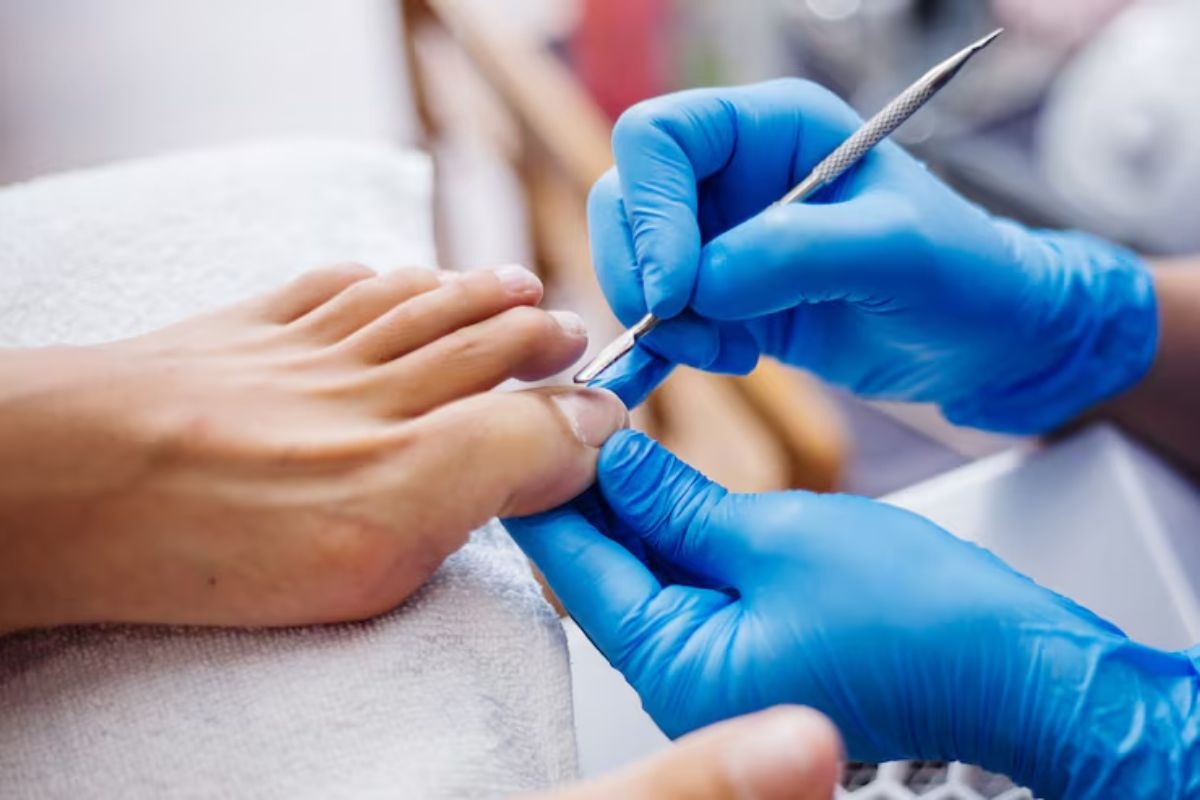
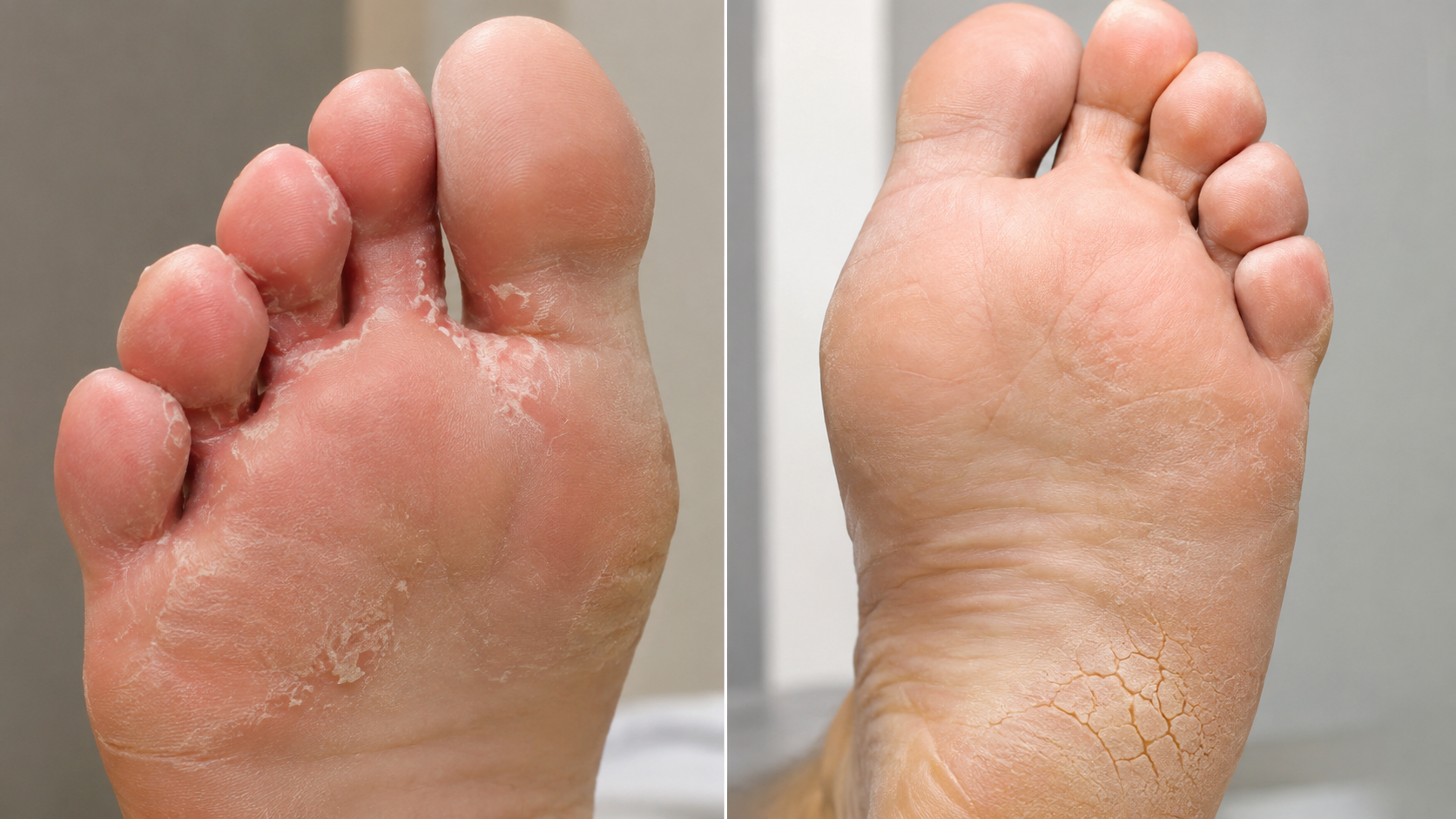
Peeling or cracked skin on the feet can be uncomfortable, but not every dry patch is caused by fungus. Knowing the difference between athlete’s foot and dry skin is important because the two conditions can look similar but require different care.
Athlete’s foot is a fungal infection that often affects the spaces between the toes, although it can also involve the soles or sides of the feet. Dry skin may develop from low humidity, frequent washing, irritation, or another skin condition.
Athlete’s foot treatment in East Mesa may be appropriate when an infection is confirmed, but appearance alone cannot establish the cause. Understanding the pattern can help you decide when to seek an assessment.
What Athlete’s Foot Usually Looks Like
Athlete’s foot, also called tinea pedis, is a fungal infection of the skin. It commonly causes itching, scaling, peeling, redness, or cracks between the toes. Some types affect the soles or sides of the feet and may produce dry, powdery scaling.
The symptoms of athlete’s foot can vary. Itching is common, but not every case feels intensely itchy. Skin may become sore or split, especially when moisture remains between the toes or the infection spreads to nearby areas.
How Dry Skin Can Look Different
Dry cracked feet may feel rough or tight and can develop flakes or cracks on the heels, soles, or other areas. The skin may be dry without the characteristic toe-web pattern often associated with an athlete’s foot. Frequent washing, harsh soaps, cold weather, low humidity, and some skin conditions can contribute.
The itchy, peeling feet do not indicate a single condition. Fungal infection, eczema, contact irritation, and other skin problems can all cause itching or peeling. If the pattern is unusual or keeps returning, an examination may be needed.
Signs That May Point Toward a Fungal Infection
Possible signs of athlete’s foot include:
- Scaling Between the Toes: White, softened, peeling skin may appear in the damp spaces between the toes.
- Itching or Burning: Symptoms may become more noticeable after removing shoes or socks.
- Cracks or Fissures: Small splits can develop where the skin is irritated.
- Sole or Side Scaling: Some infections create a dry, widespread pattern along the soles or edges.
- Recurring Symptoms: Symptoms may return if moisture and exposure to fungi continue.
These patterns can suggest fungus, but other skin disorders may resemble it. A clinician may recommend testing if the diagnosis is unclear or treatment has not worked.
What Increases the Risk?
Fungus thrives in warm, damp environments. Sweaty socks, wet shoes, shared showers, pool areas, and towels can increase exposure. Keeping feet damp for long periods may also encourage recurrence.
If you are looking into athlete’s foot care in East Mesa, an assessment of your skin pattern, health history, and possible risk factors can help identify the right treatment you need.
A podiatrist in East Mesa can assess persistent peeling, cracking, or itching and determine whether fungal infection or another skin problem is more likely.
Prevention and When to Get Help
Simple habits can help reduce moisture and limit spread:
- Dry carefully between the toes after bathing or exercise.
- Change damp socks and allow shoes to dry between uses.
- Avoid sharing towels, socks, or footwear.
- Wear sandals in shared wet areas where appropriate.
- Follow the label or clinical instructions for any antifungal product.
Arrange an assessment if the rash spreads, becomes painful, keeps returning, or does not improve. People with diabetes, poor circulation, or a weakened immune system should seek advice sooner, as cracks and infections can become more complicated.
Find Out What Is Causing the Skin Changes
Dryness and fungal infection can overlap, so repeated self-treatment may not solve the problem if the cause is different. An examination can help identify the skin condition and guide appropriate care.
Schedule a consultation with Chambers Foot & Ankle to have persistent itching, peeling, or cracking assessed.
FAQs
How can you tell an athlete’s foot from dry skin?
Athlete’s foot often causes scaling or cracking between the toes and may affect the soles or sides of the feet. Dry skin may appear as roughness or flakes without the same toe-web pattern. Other skin conditions can look similar, so persistent symptoms need assessment.
What are the first signs of an athlete’s foot?
Early signs may include itching, peeling, scaling, or redness between the toes. Some cases develop cracks or burning. Symptoms vary, and not every fungal infection causes obvious itching. A clinician can confirm the cause when the appearance is uncertain; avoid sharing towels or footwear.
Can dry, cracked feet be caused by a fungal infection?
Yes. Some forms of athlete’s foot cause dry-looking scaling and cracks, especially along the soles or sides. However, eczema, irritation, and environmental dryness can look similar. The pattern helps guide assessment but does not confirm fungus alone; other skin conditions may need different care.
Does an athlete’s foot always itch?
No. Itching is common, but some infections mainly cause scaling, peeling, redness, or cracks. The absence of itching does not rule out a fungal infection. Persistent or spreading changes should be assessed rather than diagnosed based on a single symptom. Moisture control and correct treatment depend on the underlying cause.