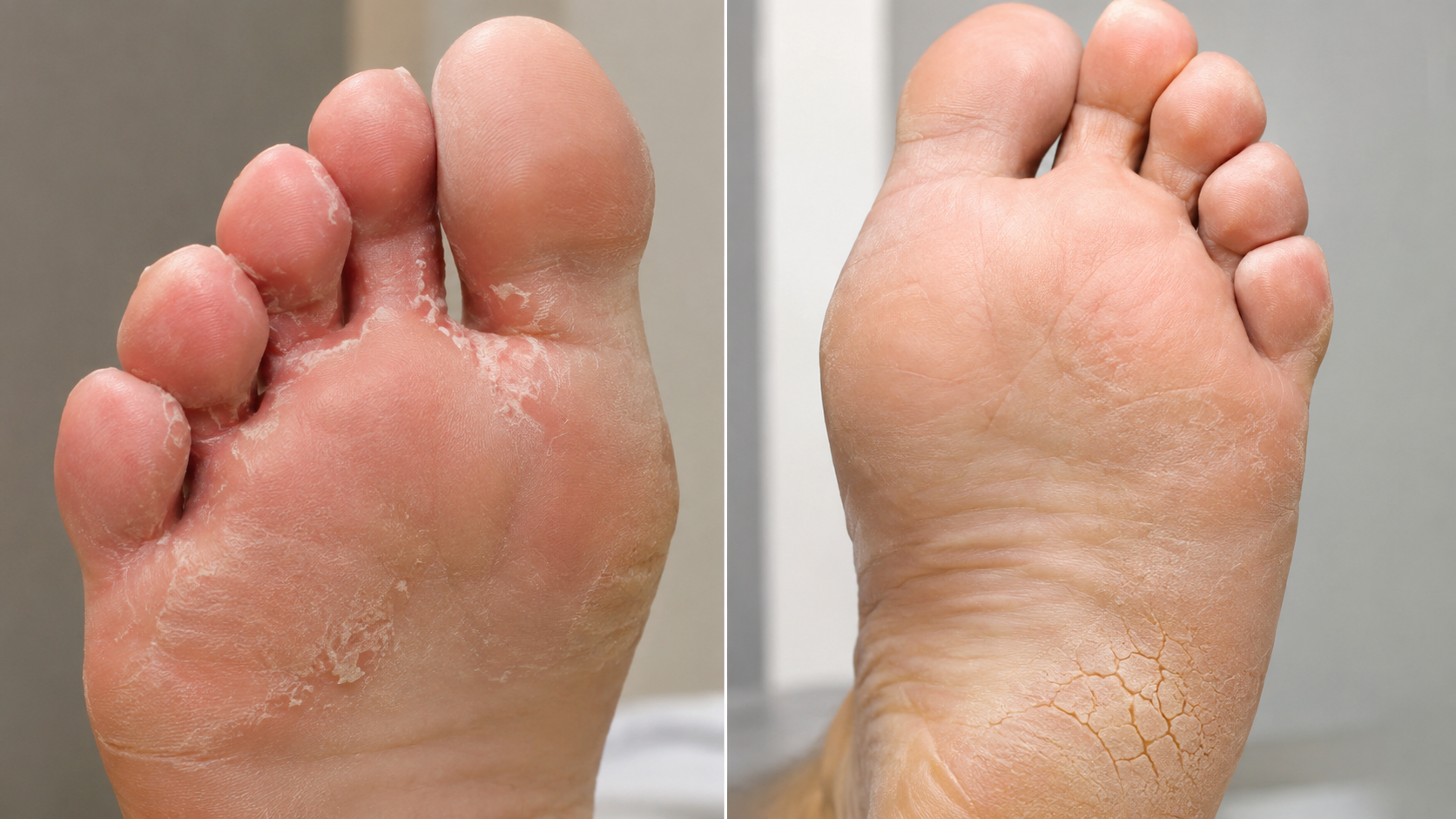
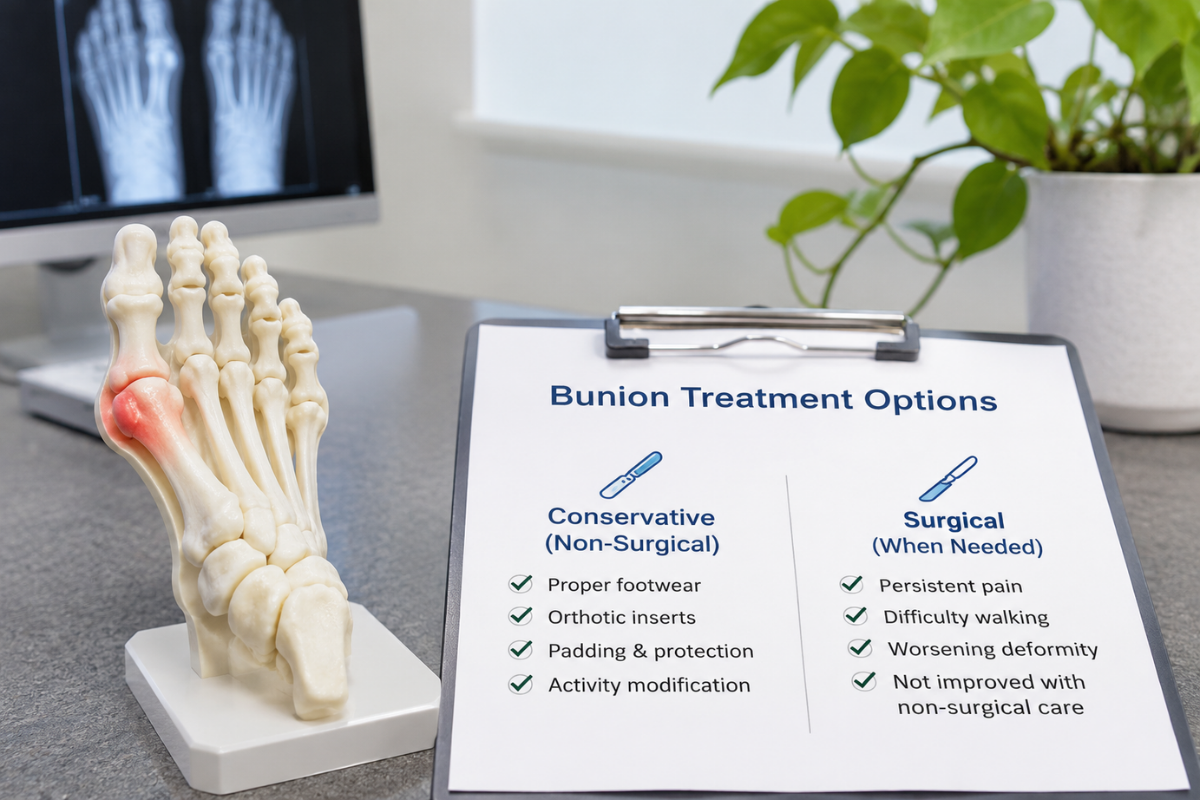
A bunion can begin as a small change near the big toe joint, but discomfort may become more noticeable when shoes press against the area. Surgery is not based on appearance alone.
If you are wondering when a bunion needs surgery, it usually comes down to the pain you’re currently feeling, walking limitations, joint changes, and whether non-surgical measures have provided enough relief.
Bunion Treatment in East Mesa, may involve assessing foot alignment and symptoms before discussing available options. Conservative care can reduce pressure and improve comfort, although it does not reliably straighten the underlying bone position. Surgery is generally considered when symptoms continue to interfere with everyday activities.
What Is a Bunion?
A bunion, medically called hallux valgus, is a deformity involving the big toe joint. The big toe gradually angles toward the smaller toes, while the joint at its base becomes more prominent.
The degree of change and the symptoms vary from person to person. Some bunions cause little discomfort. Others create pain, swelling, redness, skin irritation, or difficulty finding shoes that fit. A bunion does not inevitably worsen at the same rate in everyone.
Signs a Bunion May Be Getting Worse
Signs that a bunion is getting worse may include worsening pain, more frequent swelling, or reduced tolerance for walking and wearing certain footwear. Other changes worth assessing include:
- Pain around the big toe joint during activity or in shoes.
- A growing prominence that rubs against footwear.
- Skin irritation, calluses, or blisters over the joint.
- The big toe moving closer to or overlapping another toe.
- Reduced joint movement or difficulty pushing off while walking.
These changes do not automatically mean surgery is needed. They indicate that the foot should be examined, particularly if discomfort is affecting normal activities.
Bunion Surgery vs Non-Surgical Treatment
The right choice between bunion surgery vs non-surgical treatment depends on symptoms and the joint’s condition. Conservative care may help manage pressure and pain, but it generally does not reverse bony alignment.
Options may include:
- Roomier Footwear: A wide toe box can reduce pressure over the prominent joint.
- Padding: Protective pads may reduce rubbing against shoes.
- Activity Changes: Temporarily modifying activities that aggravate pain can help manage symptoms.
- Custom Orthotics: Supports may redistribute pressure and, in selected cases, improve comfort.
- Surgical Assessment: Surgery may be considered when pain continues to affect walking or daily activities despite appropriate conservative care.
Non-surgical bunion treatment is often a reasonable first step when symptoms are manageable. Custom orthotics for bunions may help with comfort or foot mechanics, but they do not reliably correct the deformity.
How a Podiatrist Evaluates a Bunion
A podiatrist in East Mesa may review pain patterns, footwear, walking, and activity. The examination can include joint movement, alignment, skin condition, and overlapping toes. X-rays may help assess bone position and joint changes.
If you are comparing care options with a podiatrist near you, consider whether the assessment includes both symptoms and foot mechanics. The size of the bump alone does not determine whether surgery is appropriate.
When Is Surgery Worth Discussing?
Surgery may be considered when pain is persistent, footwear becomes difficult, walking is limited, or the deformity affects daily activities despite non-surgical care. The procedure is selected according to the specific alignment and joint condition. Recovery expectations vary with the operation and individual factors.
A conservative plan may continue if symptoms remain manageable. Bunion pain relief may be possible without surgery, but persistent pain should be reviewed rather than accepted as inevitable. Conservative bunion treatment focuses on reducing pressure and improving function, not removing the bony prominence.
Choose Care Based ON Function, Not Appearance
A bunion does not need surgery simply because it is visible. The decision should reflect pain, mobility, footwear needs, and the effectiveness of non-surgical care.
Schedule a consultation with Chambers Foot & Ankle to review your symptoms and discuss suitable treatment options.
FAQs
When does a bunion need surgery?
Surgery may be considered when pain or deformity significantly affects walking, footwear, or daily activities and conservative care has not provided enough relief. Appearance alone is not usually the deciding factor. The joint and its alignment must be assessed before recommending surgery.
Can bunions be treated without surgery?
Yes. Roomier shoes, padding, changes in activity, and selected orthotics may reduce pressure and discomfort. These measures can help manage symptoms, but they do not usually reverse the underlying bone alignment. Persistent pain warrants reassessment. Early assessment helps match options to the joint and activity needs.
Do custom orthotics correct bunions?
Orthotics may redistribute pressure and improve comfort for some people, depending on foot mechanics and symptoms. They do not reliably straighten the big toe or remove the bunion deformity. Their role is usually supportive rather than corrective. The goal is comfort and pressure management, not a change in bone shape.
What are the signs that a bunion is getting worse?
Increasing pain, swelling, difficulty wearing shoes, skin irritation, overlapping toes, or reduced walking tolerance may indicate progression or added joint irritation. An examination can determine whether the change reflects the bunion itself or another foot problem. A podiatrist can determine whether the change reflects joint progression or another problem.